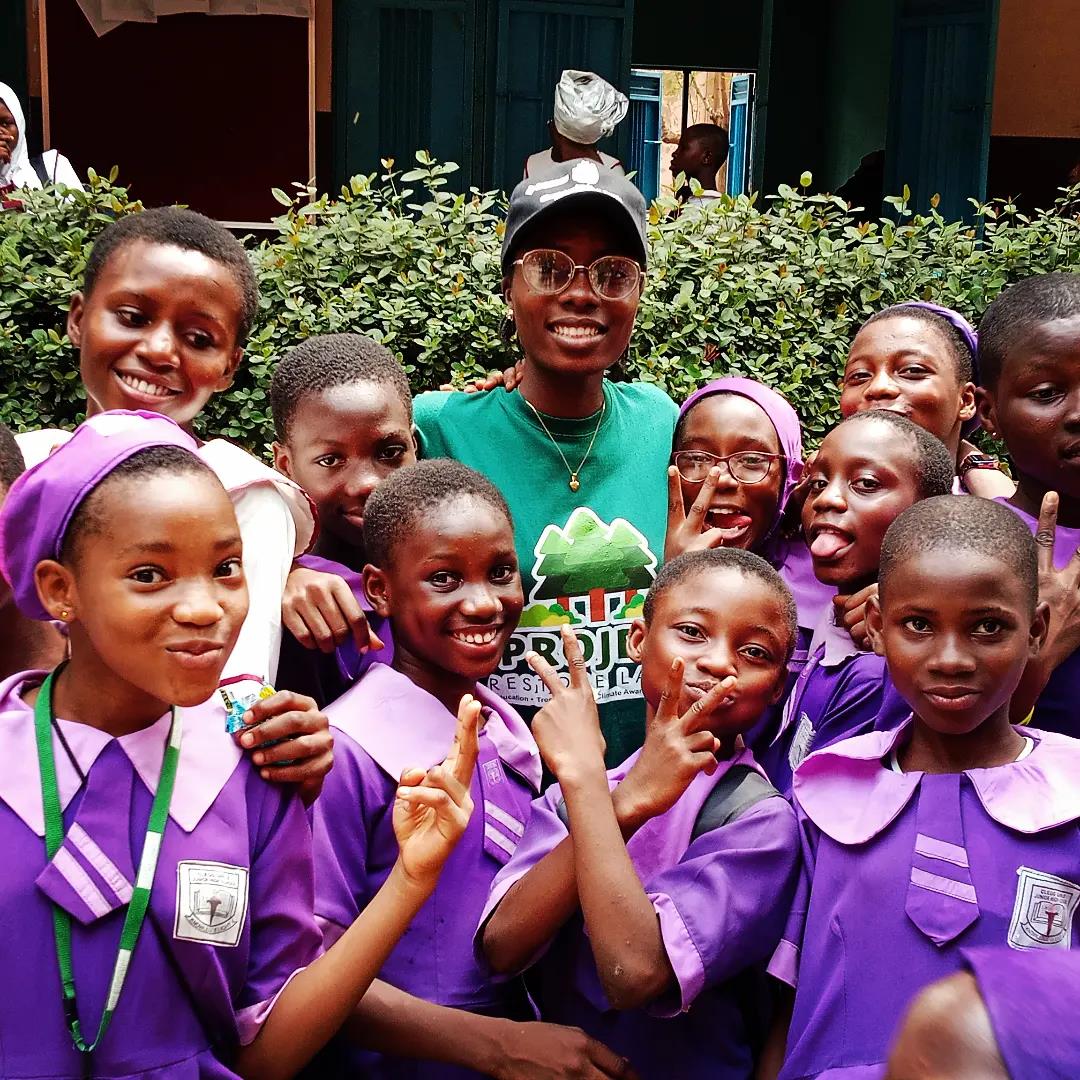
Ademilusi Ayomipo E. initiated Project Restore Lagos to combat the growing environmental degradation and low climate awareness among youth in Lagos State. Her journey began with a deep concern for the future of her community, a coastal city highly vulnerable to climate change impacts like flooding and erosion.
Recognizing the critical need for grassroots action, Ayomipo developed a comprehensive plan focused on empowering secondary school students with climate knowledge and practical skills for environmental stewardship.
Through Project Restore Lagos, she aimed to not only educate but also mobilize young people to become active agents of change, fostering a new generation of environmentally conscious leaders. The project’s multi-faceted approach combines classroom learning with hands-on activities, creating a tangible impact on both the students and their local environment.
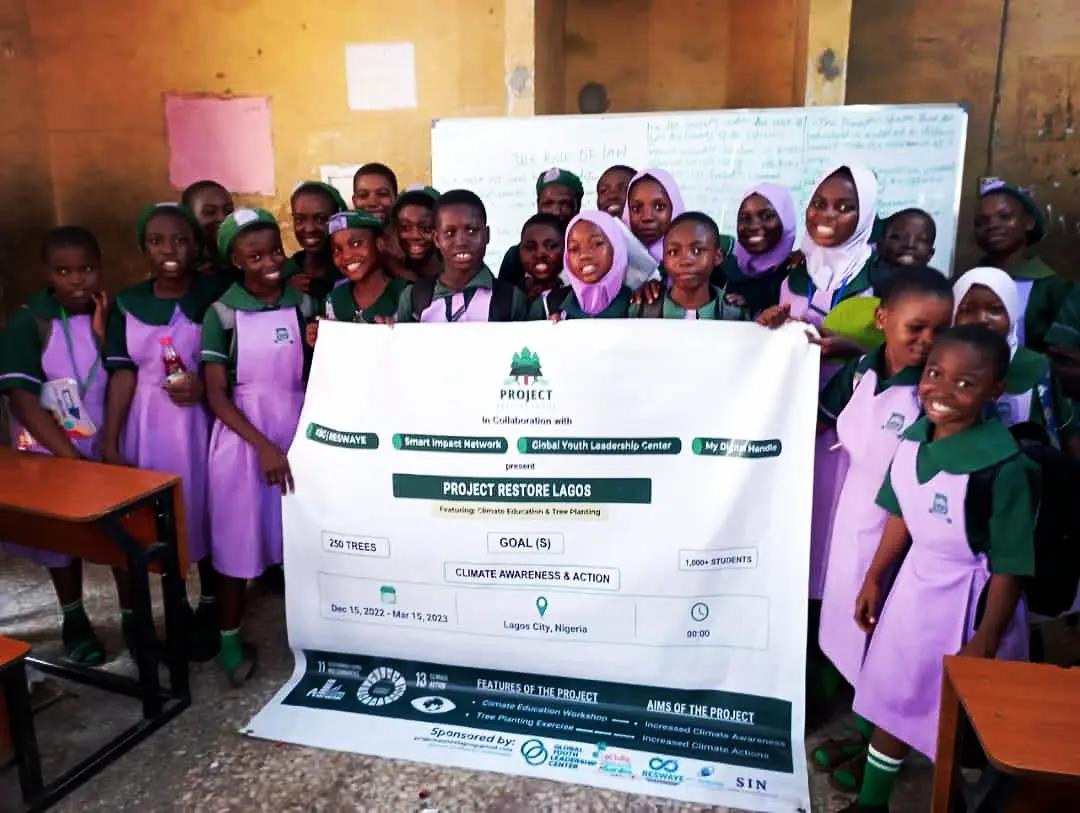
climate education workshops conducted
secondary schools reached across Lagos Education District IV
students trained on climate change and climate action
increase in climate awareness among participants
of participants motivated to take environmental action
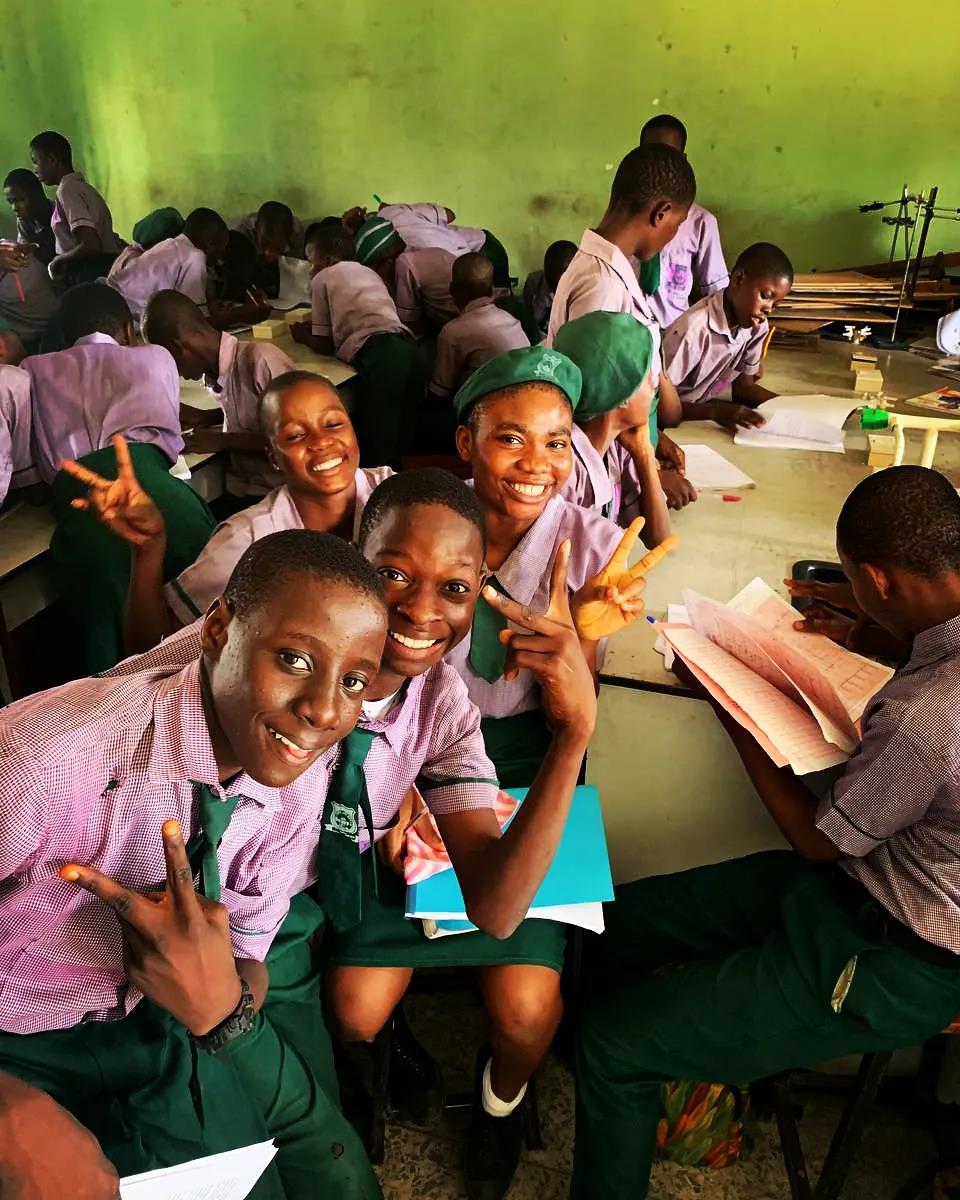
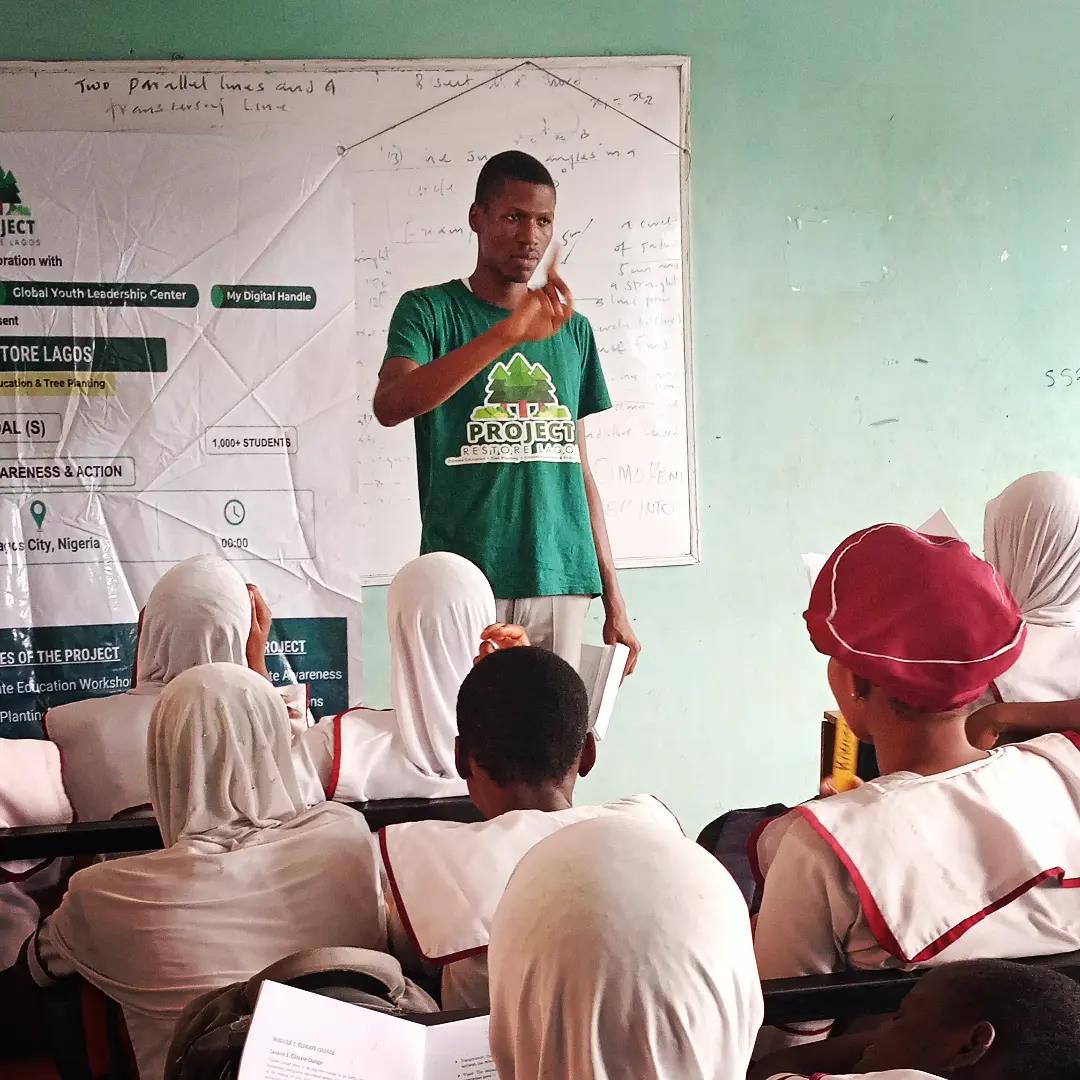
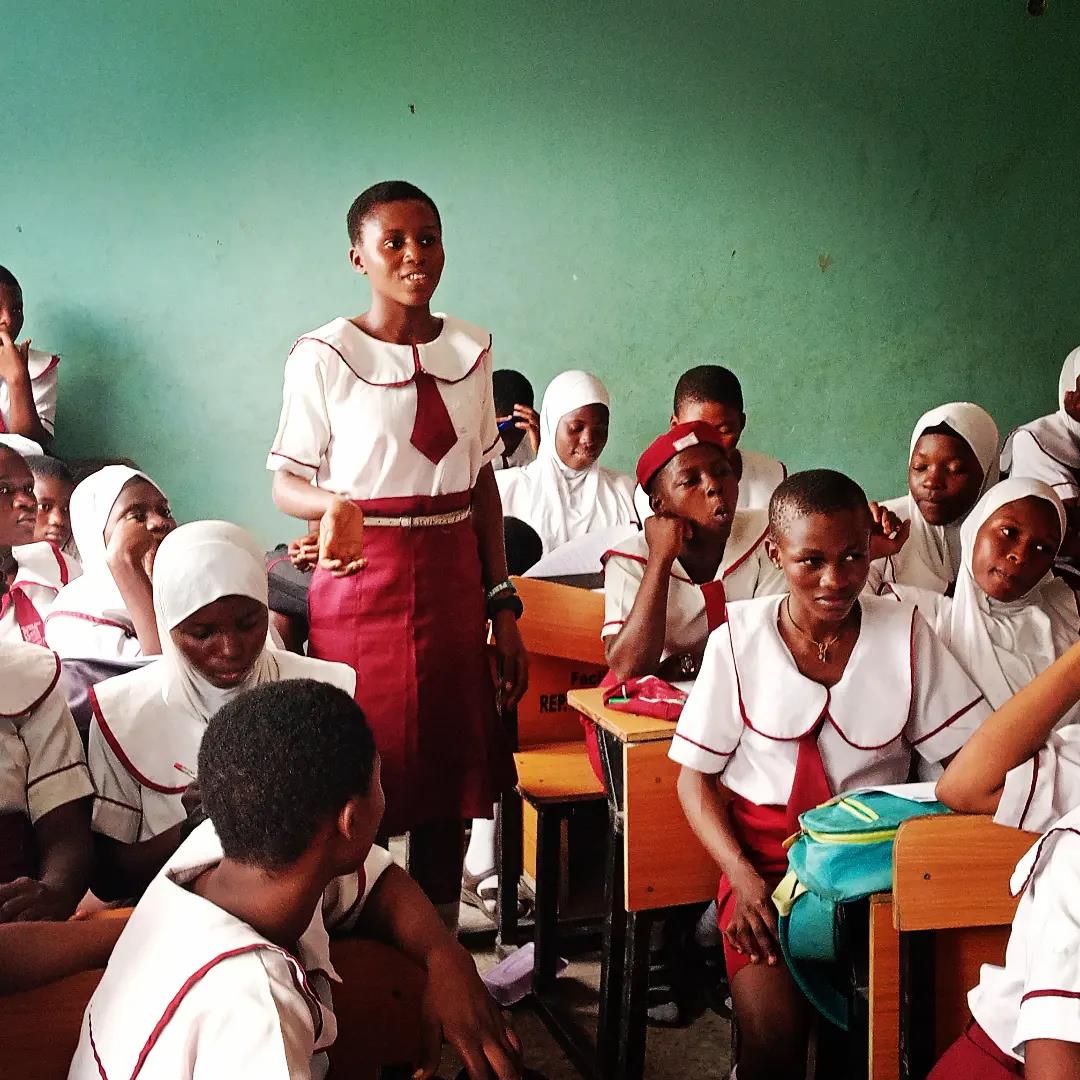
The initial phase focused on conducting intensive climate education workshops across 12 secondary schools in Lagos Education District IV. These workshops were designed to be highly interactive, utilizing engaging presentations, group discussions, and multimedia resources to explain complex climate science concepts in an accessible manner. Topics covered included the causes and effects of climate change, the importance of sustainable practices, and the role of youth in climate action. Each session culminated in a Q&A segment and a call to action, encouraging students to think critically about local environmental challenges.
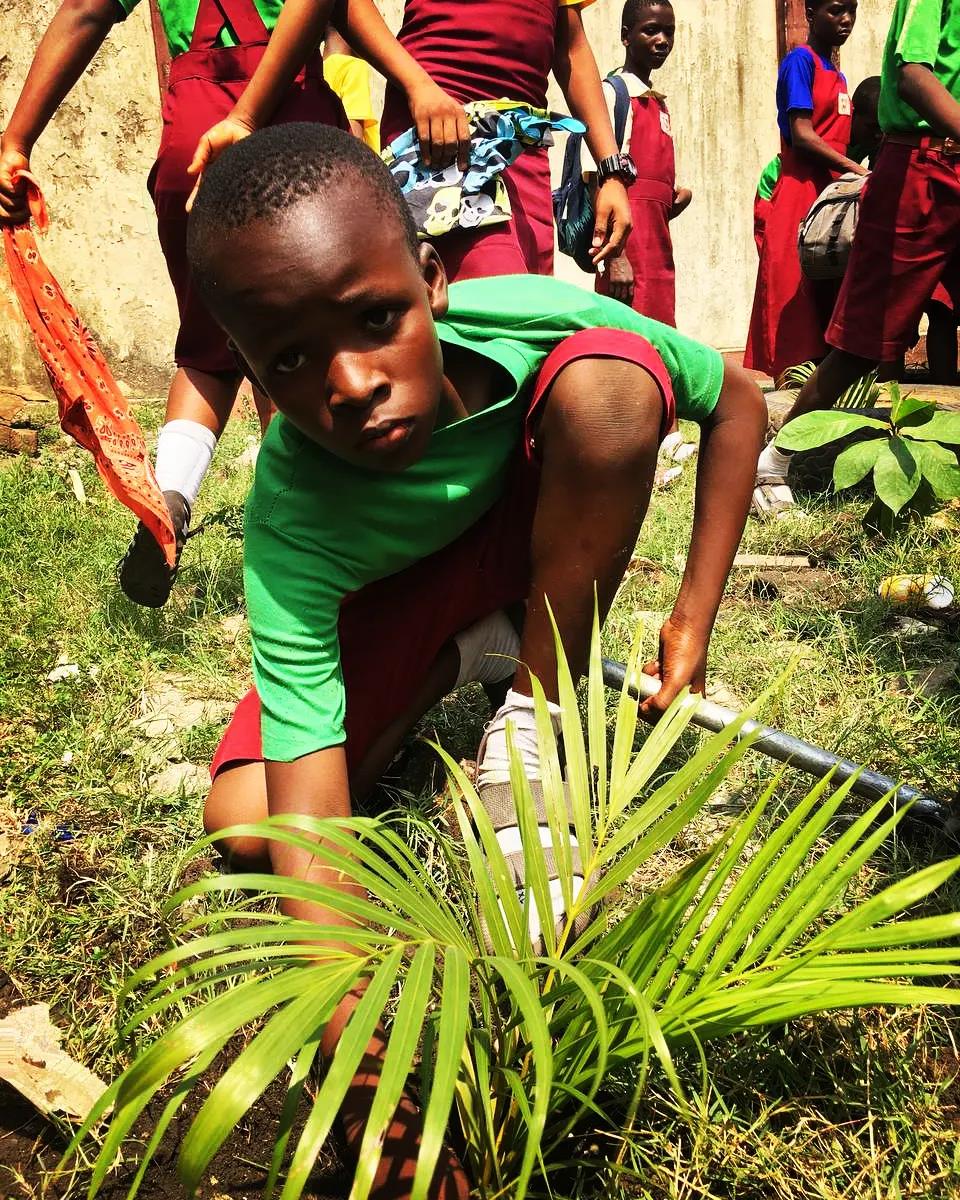
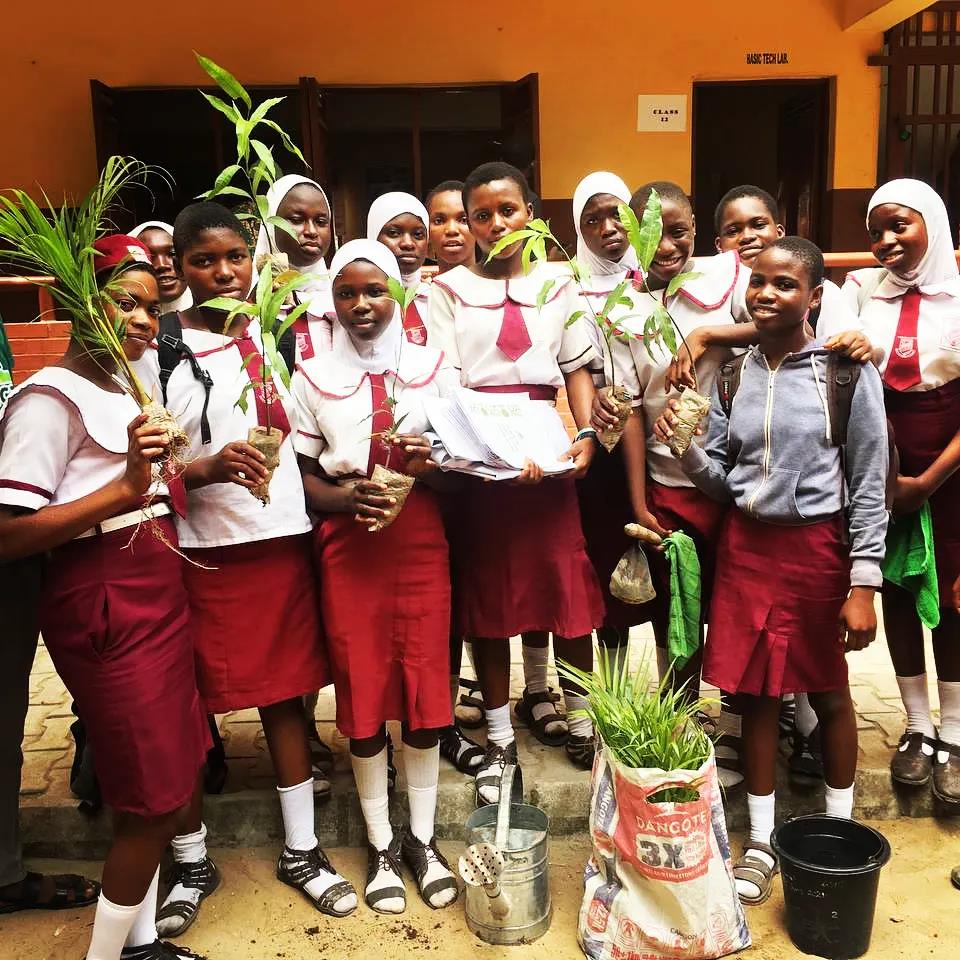
Building on the foundational knowledge, Phases 2 and 3 integrated practical climate action with continued education. Students participated in hands-on tree planting exercises within their school premises and local community areas. This involved learning proper planting techniques, understanding the ecological benefits of trees, and committing to nurturing the planted saplings. The education component during these phases delved deeper into specific local environmental issues relevant to Lagos, such as waste management, pollution, and coastal protection, empowering students to develop localized solutions and take ownership of their environment.
“The post-workshop assessments revealed a significant increase in climate awareness and a strong motivation among participants to engage in environmental action. Many students shared compelling reflections, expressing newfound understanding and a desire to implement sustainable practices in their daily lives. One student from Mainland Senior High School wrote, ‘Before this project, I didn’t truly understand how my actions impacted the environment. Now, I see myself as a climate warrior, ready to protect our planet.’ These testimonials underscore the profound impact of Project Restore Lagos in fostering a generation of proactive environmental stewards.”
A key lesson learned was the immense value of active youth participation and the importance of local partnerships. Handing over the climate education manuals to school environmental clubs ensures the long-term sustainability of the project, allowing schools to continue integrating climate education into their curricula. Future projects will benefit from even earlier engagement with school administrations and more extensive training for student leaders to foster greater autonomy and peer-to-peer education. The project demonstrated that with proper planning and community involvement, significant environmental awareness and action can be achieved, creating a lasting impact on youth and their communities.